Kelsie is a dancer, choreographer, researcher and access consultant. She took part in Sync Ontario in 2020.
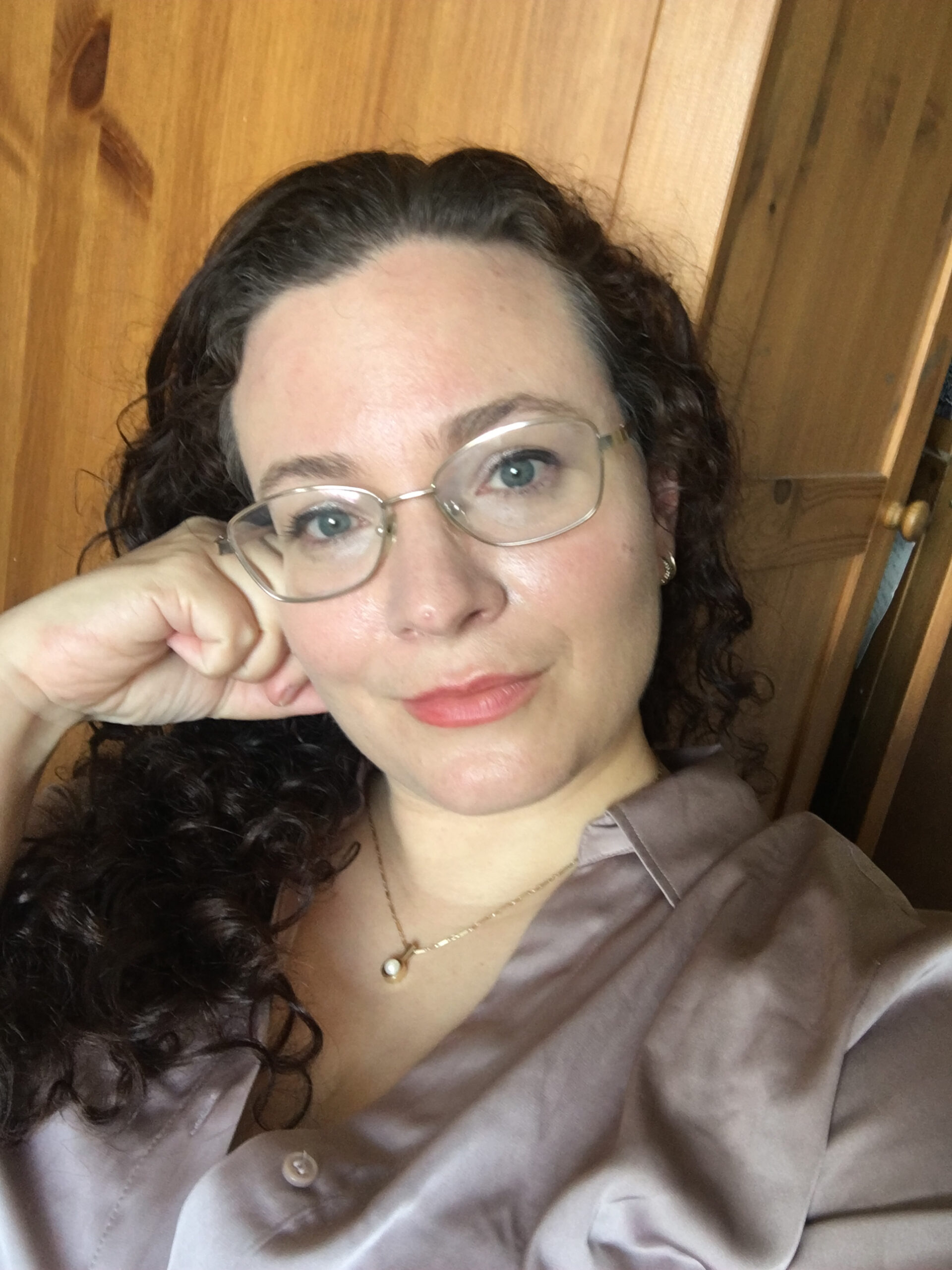
“The reality means that, access work is often about making the hard decisions about who or what to prioritise.”
A couple of years ago I shared a quote from Carrie Sandhl. It reads, “But what I find remarkable about disability community is the intention and effort to include all of the people to the fullest extent possible and not just most of the people when convenient”.
Including everyone keeps me up at night. It’s the great challenge of disability leadership in the arts. There are always limits to what we can do. When you work in access in the performing arts you are working against budgets, against time, but mostly against attitudes and assumptions.
Over the years I’ve become fascinated (obsessed?) with how I make these decisions. I’ve created lists of what access I prioritise in when and why. I’m trying to build a framework to be fair in a wildly unfair world.
I advocated (and still advocate) that artists and venues should tell audiences about the sensory environment of the performance so audiences could decide if the work was for them. I’ve been part of work that I’m really proud of to create chill out spaces in venues. But over the years I’ve started to wonder if this is creating performance that includes me.
I don’t think artists and venues realize that when you show me the brightest and flashiest the lights will be, when you tell me where the chill out space is, you are saying to me: My art will probably hurt you. It will likely overwhelm you. If you want to engage with my performance you need to accept being in pain or distress.
My work needs to acknowledge my own experiences and not just the access I think I can sell the world on. I deserve remarkable performance, performance that has an intention and effort to include me too.
Keslie Acton
Other Leaders
-
Salima Punjani
My work is soft and sweet and tender. I would say it is strategically…
-

Dawn-joy Leong
I will always remember SYNC for providing me with the Clement Space — a…
-

Shivanya Ra
As creators, changemakers, and “crippers” of spaces and language, it is imperative to treat…