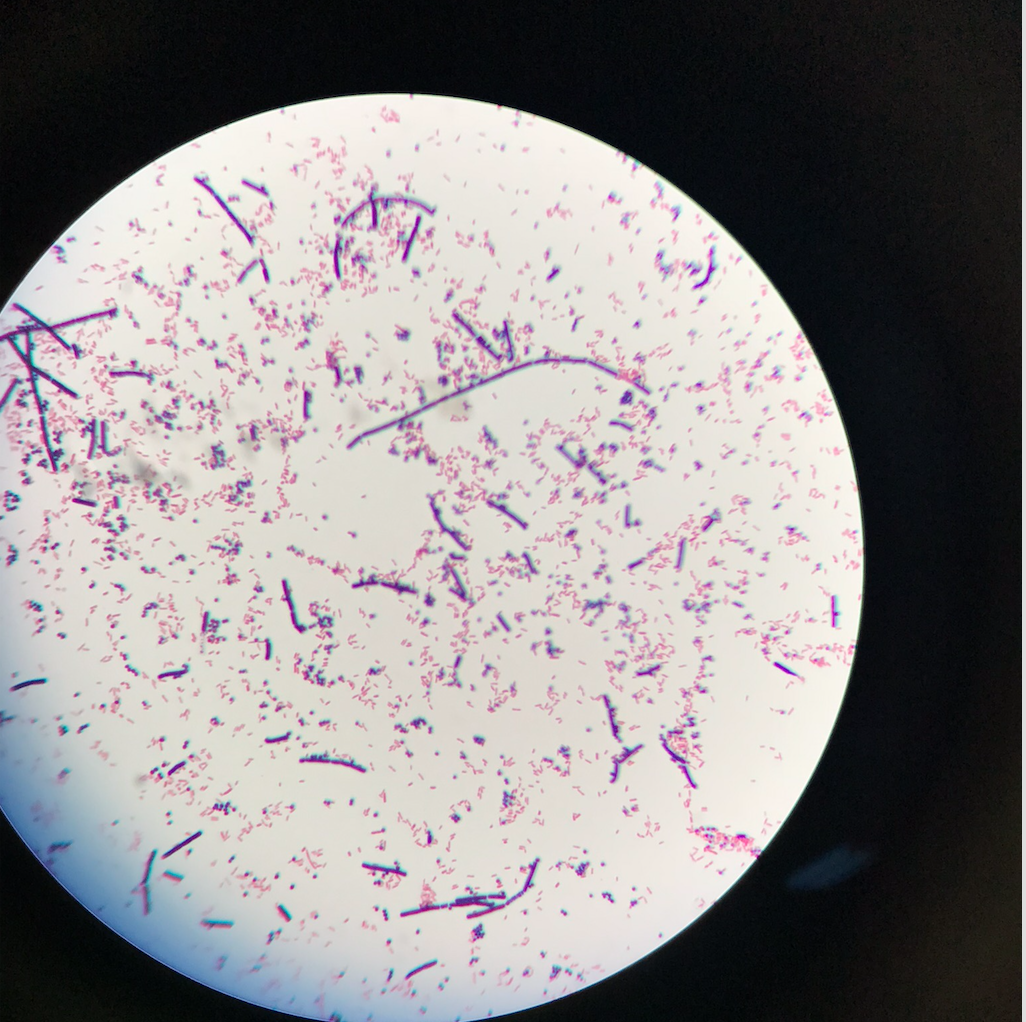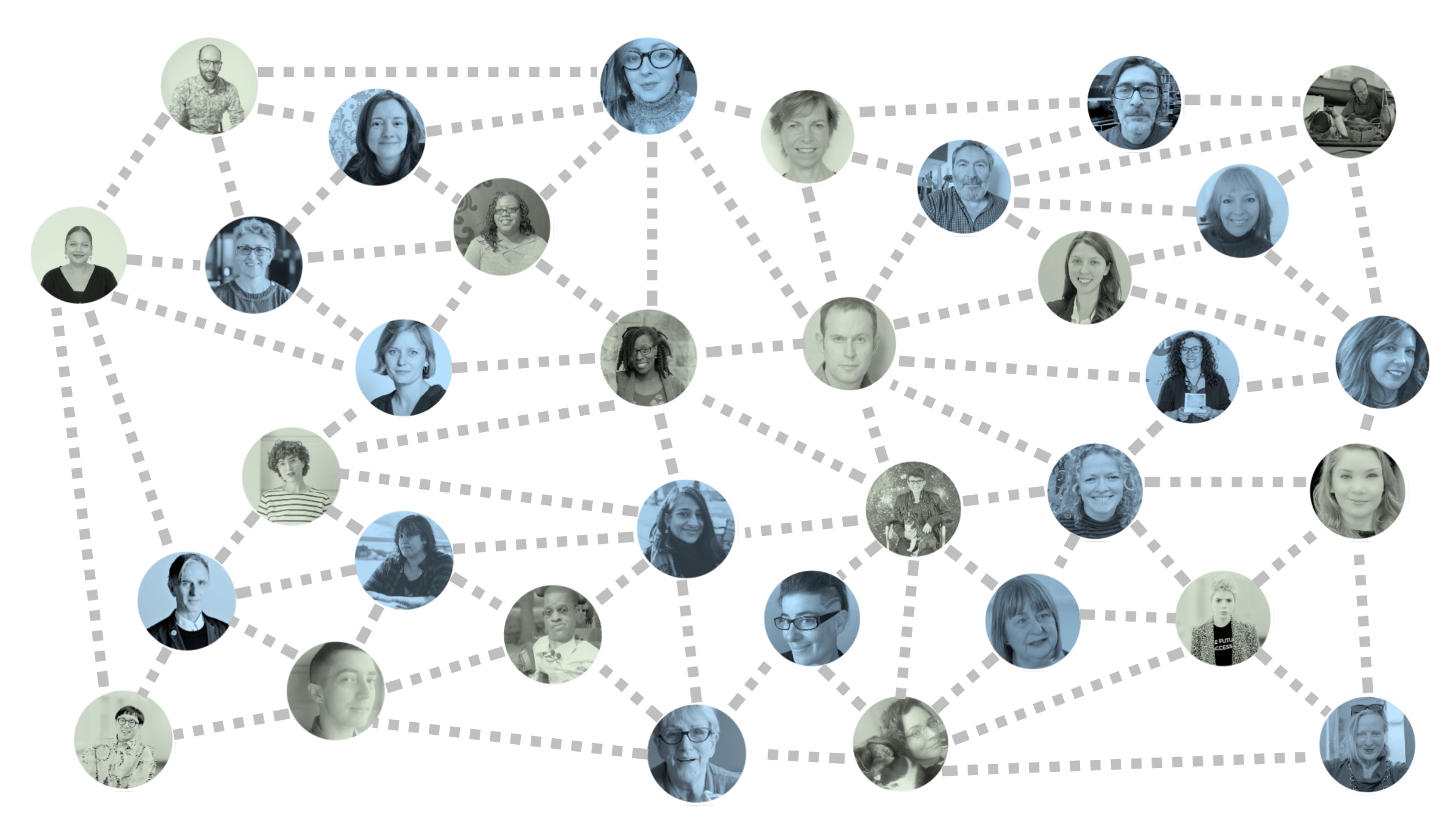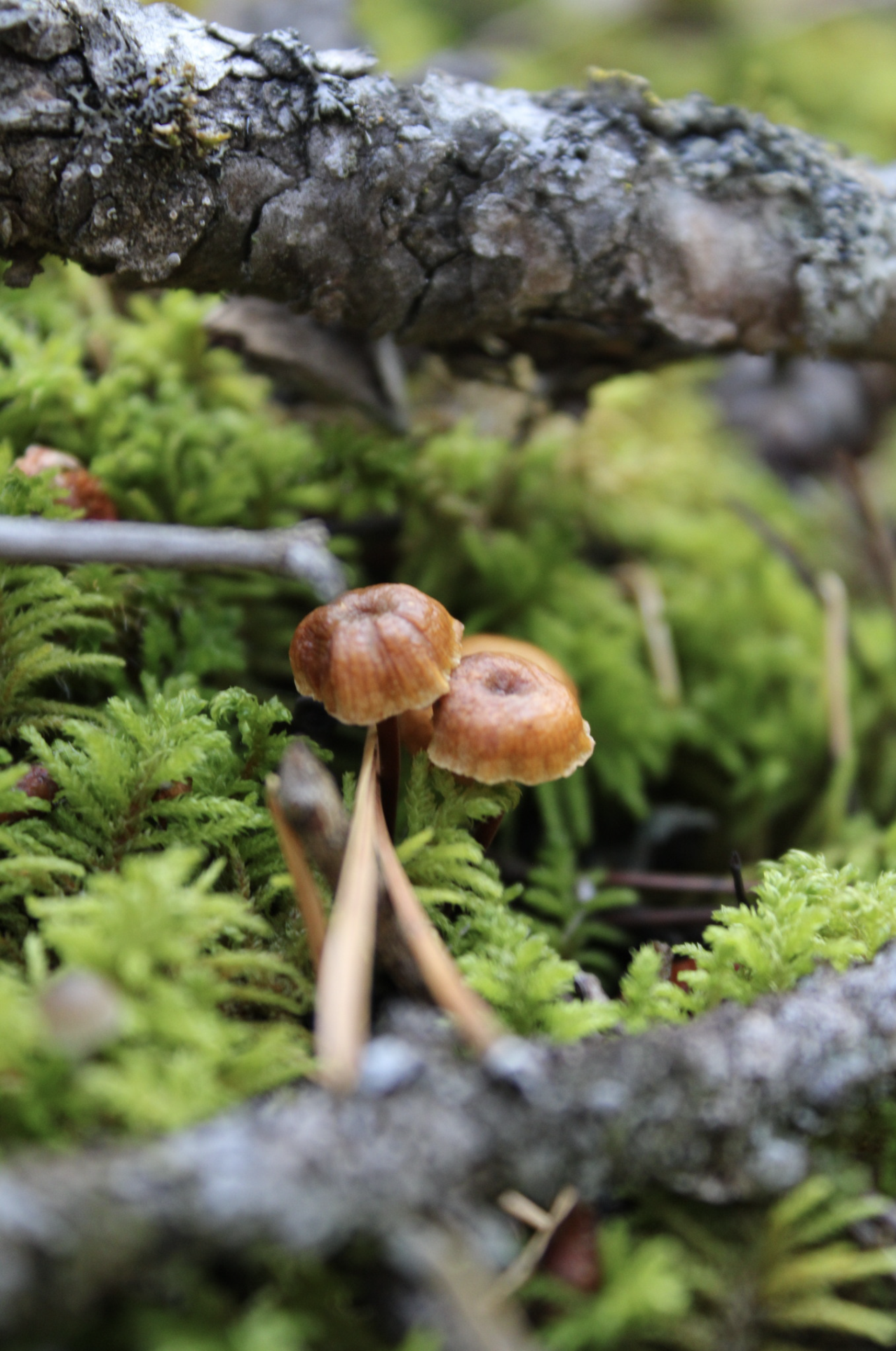

In the natural world, life begets decay and decay makes room for more life. Even though we may think of fungi as odd, ugly, or repulsive, and perhaps as an omen of death, they are also an omen of life and of a healthy ecosystem moving through its eternal cycles. The presence of mycelial networks and fungi is a good sign: it indicates that one part of the process is working and therefore so are the others.
In a similar way, the inclusion of Deaf, disabled, Mad and neurodivergent people is also an indicator of a healthy society— one that can infrastructurally support a broad understanding of human diversity, community care, and provide high standards of living for all its members.
Last autumn I wrote an essay about my experience attending Sync Alberta 2024. At the time, I was also in Mînî hrpa (Banff, Canada) attending a writer’s residency at the Banff Centre for the Arts and Creativity. Participants of Sync Alberta were encouraged to create metaphors for our leadership styles. I chose mushrooms. Later, for my essay, I described the experience of intentionally walking through the alpine forests of the Banff Centre’s campus, some of the mushrooms I found there, and the inspiration I drew from them. The Mycelial Model of Self-Advocacy builds upon that original text: how ‘odd’ fungi can be a metaphor for the embraced failure and stubborn thriving of disability culture. The Mycelial Model can be a way to shift ourselves into that alternative mindset, so that the constant self-advocacy we must do as D/deaf and disabled creatives, curators, and leaders can be sustainable.
The Mycelial Model for Self-Advocacy
- Off-to-the-side thriving
- Network-based
- Release spores
- Respect cycles
OFF-TO-THE-SIDE THRIVING
As I wrote in my last essay for Sync, “You may not want to pay attention to the mushroom, may not even know it’s there. That doesn’t matter. Whether we give permission to it or not, fungi will grow and transform on its own and make a home for itself anyways […] The mushroom’s metaphor for disabled stubbornness— the will to thrive, despite— is obvious”.
This off-to-the-side mindset is the antidote to professional people-pleasing, a quality many disabled arts professionals have picked up along the way. When you get so few opportunities, you’re conscious of scaring away the few you do get. So, you people-please: you accept the token or meagre opportunities, hoping they’ll think of you next time.
What if we happily thrived in the margins we’ve been sent to, instead? Is that even possible? Aren’t we already? While waiting for galleries, governments, societies, companies etc. to catch up, let’s do what we do best and thrive ‘off to the side’. We dream of community, acceptance, recognition— until we get there, if ever, where are we now? Let’s recognize and create meaning here as well.
How can you change or update your workspace so that it not only accommodates your differences but shows respect for them? For example, as someone who experiences chronic fatigue, I need a couch in my studio. From the view on the couch, I can see thank-you cards, awards, and favourite paintings which all remind me of how proud I am of what I do. Taking time to rest and to reflect is exactly what gives my artwork and writing its thoughtful voice. I’m off to the side resting on the couch and it’s a good thing.
While waiting for galleries, governments, societies, companies etc. to catch up, let’s do what we do best and thrive ‘off to the side’.
NETWORK-BASED
Mycelium (my-seal-ee-um) is the name for the root structure and mycorrhizal (my-co-rye-zull)is the word for the network: the vast underground network of both fungal and plant roots that serves as a communication system and resource exchange between different species. Suzanne Simmard, a professor of forest ecology at University of British Columbia, completed field studies in the late ‘90’s which revealed that trees are connected to other neighbouring trees through mycorrhizal networks. She observed a Douglas fir infested by insects using the network to send chemical warnings to a ponderosa pine nearby, and the ponderosa later produced enzymes that would protect it against the same insects.
Be around other fungi. Go to online or in-person gatherings with other d/Deaf, disabled, Crip, Mad, and neurodivergent people. And, if you can, go to these more than able-bodied/neuro-typical gatherings. Grow there and look out one for another.
RELEASE SPORES
The point of flowers and fruiting bodies is to spread pollen and seeds, or in the case of fungi, to spread spores. There are a fascinating variety of ways they do this. Take the stinkhorn mushrooms, which emit odours that are foul to us— often compared to the scent of rotting meat— but are highly attractive to scavenger animals and insects, who will visit, curious about the smell, and carry some spores with them when they scurry or fly away.
Many types of common shelf fungi, which grow horizontally out the side of tall hardwood trees, use less dramatic methods, and simply drop thousands of spores onto the forest floor from their perches high above. Aided by wind and gravity, the tiny spores litter down and are carried off to other sections of the forest.
We can be inspired by this, and litter our life and work with small ‘spores’ of self-advocacy. There are courageous, heroic exclamations of self-advocacy like performances and protests, statements, and refusals… while these are necessary, they’re hard to do over and over. Instead, between these larger gestures, we can pace ourselves and routinely drop smaller ‘spores’ of self-advocacy.
Keep a link to an access reader in your email signature. This smaller gesture normalizes artists and professionals having access needs.
RESPECT CYCLES
In the original 2024 essay, I wrote, “… These small beings will die soon— gingertail [mushrooms] only last a day or two at most. I take a photo, tap my finger against one of the caps, and smile when it bounces gently under my touch… mushrooms are only the fruit of a much larger mycelial network we cannot see. They are only temporary beauties, like fruits on a tree.”
For me, part of a mushroom’s beauty is its transience. Like the passing day and night, the short-lived spring flower, or the red and ochres of autumn: these things are made more meaningful because of their passing nature. While the dramatic life and death of flowers and fruits are an essential period of the growth cycle, it’s the roots underneath that will last (there are mycelial networks in North America estimated to be over two thousand years old).
In the arts, a performance or the exhibition is like the fruiting body on the surface of advocacy efforts. Standards of care, respectful workspaces, and supported artists are the mycelial root system. We can’t put all our efforts into the showy ‘fruits’ and not have any time or energy for the roots; without healthy roots there aren’t fruit for very long.
Learn when to say “not right now”. Set boundaries around time and energy and respect the cycle of art and yourself. Importantly, figure out what those boundaries are before the projects start and not while under pressure and in the middle of it. Set goals for the ‘fruits’ of your labour alongside plans for sustaining the roots.
According to the 2023 Canadian Survey on Disability, 27% of Canadians have a disability that limits them in their daily activities[1]. That’s around 1 in 4. Poor representation and ableist infrastructures may make us feel we are alone in the world, but—and especially when we band together across disabilities— we’re actually in the company of many others.
Though we may start off as someone who walks through a forest or city unaware of the fungi growing around us, we can be taught how to see and find them. We can also, in a similar way, find our fellow spoonies, crazies and Crips. Until we get to the better representations and futures we dream of, let’s make today sustainable and meaningful. It’s today that we are designated as odd, monstrous, alien, or as failures in the eyes of a normative world. It’s today that we can be unapologetic about our unusual minds and bodies, and the different ways we thrive and create with them. Today we can ask, what would a mushroom do?
[1] Statistics Canada, released 1 December 2023
‘

![many mixed media symbol-images are organized in the structure of a grid. From left to right there is a light green abstract looped flower, an orange carrot-like shape surrounded by deep blue and purple. The head of a water spray jug that is green and pink with a yellow and black background. Many blue J hooks dance atop an orange background. A red partial circle sits next to a bright mint green. A close-up of a clock’s numbers 12, 1, 2 and 3 in graphite. A mess of pink, cream, and orange blobs connect and crash into each other. The top of an exaggerated yellow question mark with a black scribbled background. An abstract chubby snake that is pink and muted orange with purple, sticks its black tongue out surrounded by bright lime green background. A close-up of a purple, blue, black, and cream doodle-stylised eye with long lashes and reddened white space. A big pink bubble letter H is outlined in black with a yellow background. A close-up of a blue water bottle with cream and purple wings against a black background. From the bottom right corner spreading across and up is red scribbles making their way into each individual image.]](https://syncleadership.com/wp-content/uploads/2022/08/Picture-1.png)