Salima Punjani is a multisensory artist and curator. A common thread through all of her work is the creation of environments that allow for connection.

Moving Sideways: Unmasking the Performance of Wellness
A few weeks ago, I saw Vivek Shraya perform in Montreal, releasing her new album, and I found myself thinking again about her Trauma Clown photo series. It’s a series where Shraya dresses as a clown, critiquing the ways people expect marginalized artists to perform pain and trauma. At the end, there’s an image titled Your Clown—a kind of opening, an invitation to recognize the vulnerability that doesn’t need to be performed to prove worth. I came across this work when I first exhibited at Tangled Arts in 2018. It made me deeply consider how and who I share my vulnerability with and still influences my research into the intersection between art and care work today.
Shortly after Shraya’s performance, I visited Leah Lakshmi Piepzna-Samarasinha’s retrospective at Tangled Arts, and in one of the videos on display, the idea of palatability came up. How disabled artists either through internal or external pressures shapeshift into molds that make them easier to be accepted, often putting their own needs aside. It made me think about my own quiet durational performance of being “extra-able”—showing up through exhaustion, holding it together, masking okayness when I am unwell.
When I think about the works that have stuck with me over the years, they embraced the incomplete. Whether it was Gloria C. Swain curating Holding, Space, an empty space in an exhibition for an artist who couldn’t produce their work in time or Carmen Papalia’s curation of Undeliverable – these curators model what it could be like to step out of the extra-able narrative and honour authenticity as a core creative element.
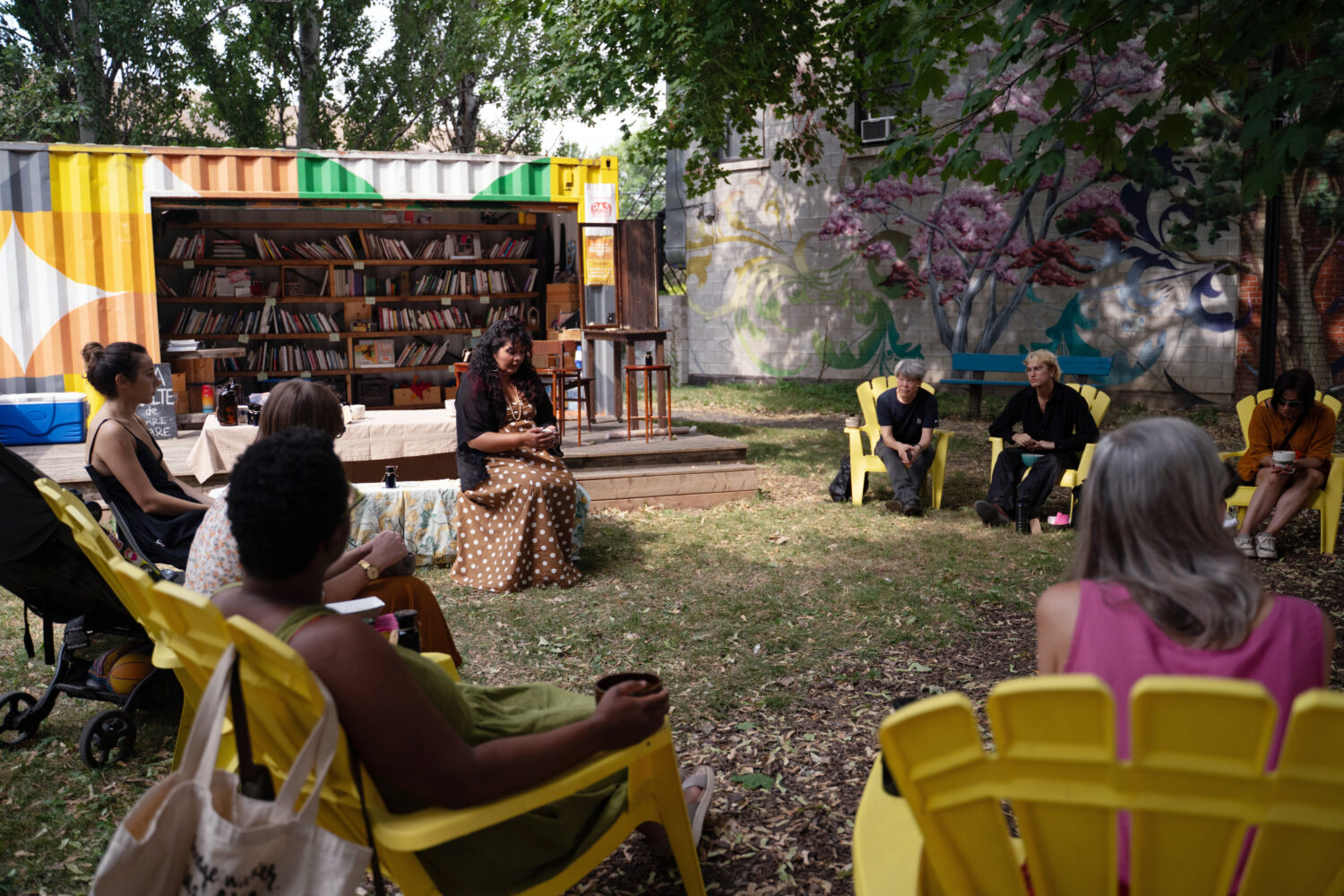
My work is soft and sweet and tender. I would say it is strategically soft. Softness isn’t just aesthetics—it’s a structure that holds tension, creates space for discomfort, for the hard work of being together in a polarized world. There’s pleasure and joy and silliness. Space for the full-spectrum of how people are able to show up and just be.
After a year of back to back exhibitions, performances and residencies which were both beautiful and incredibly draining, I’m left with a deep curiosity of how I can continue to hold space while stepping out of the extra-able performance space and into a more authentic one.
There’s pleasure and joy and silliness. Space for the full-spectrum of how people are able to show up and just be.
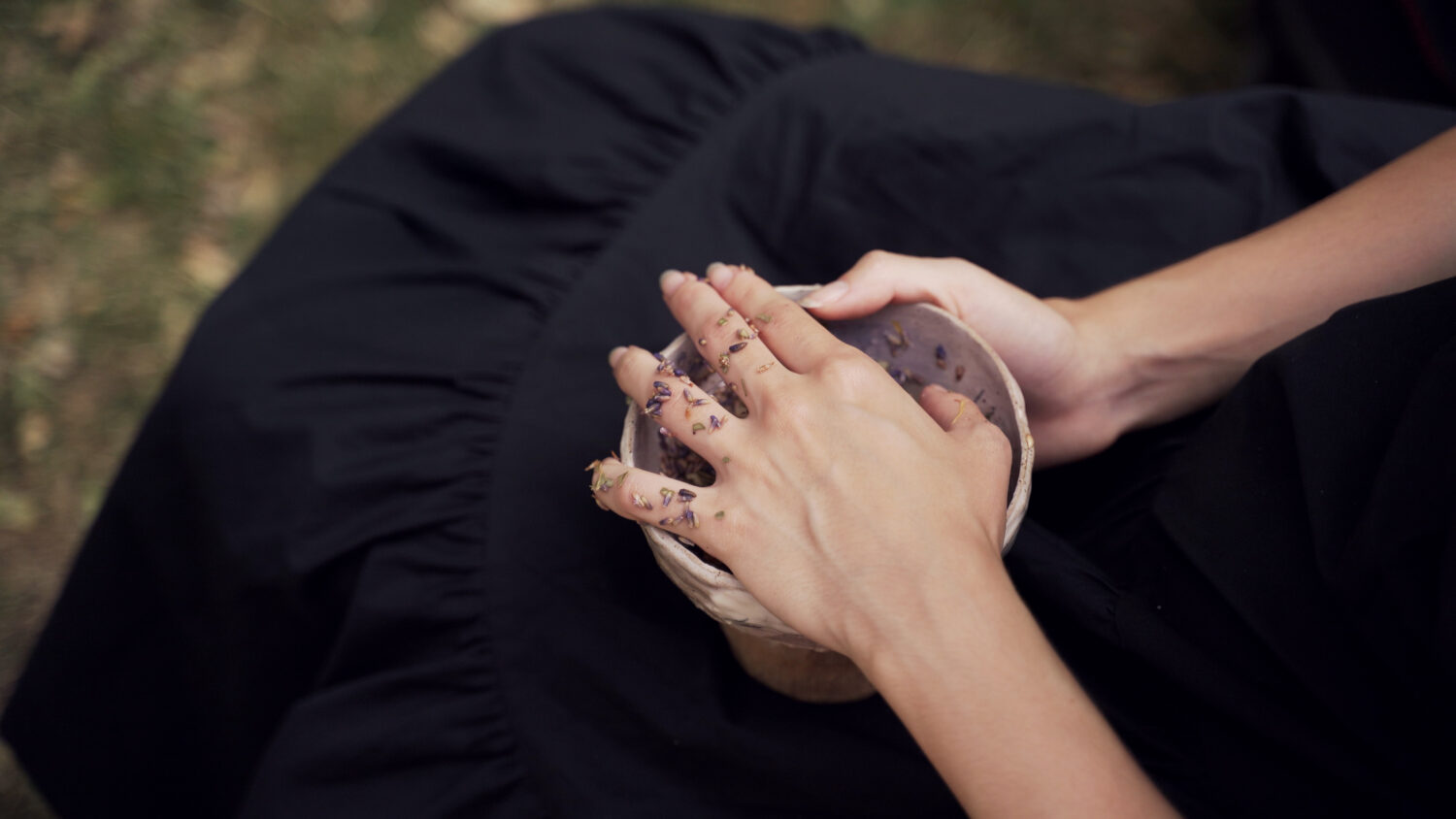
Earlier this year, I was navigating the effects of an MS relapse while hosting Sonic Death Cafes at Oboro, an artist-run centre in Montreal. These cafes hold space for collective grief through sound. I rarely share much about myself in these spaces—I’m usually holding, not being held. But I took part in the experience and shared some of the fears and grief that were present in my life. I stepped out of the dichotomy of holding and being held, and let myself release some of the pressure that comes from performing okayness. And it was – okay.
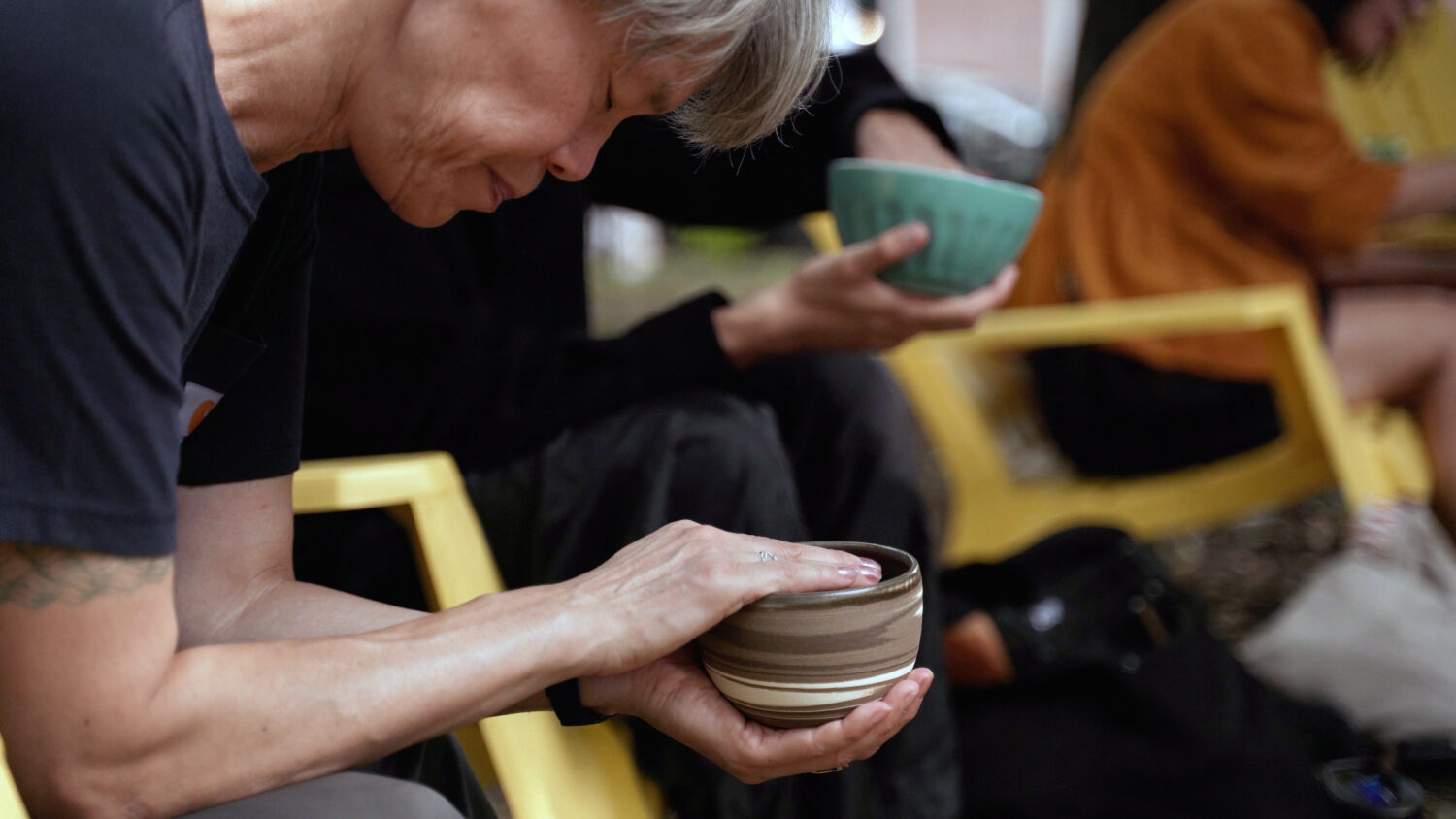
I don’t remember exactly where I encountered artist Carolyn Lazard saying they wanted to move sideways and not upwards in their career but I keep that pearl of wisdom close. I’m curious about what it means to lead when I choose to stop performing extra-ability. Moving sideways instead of upwards, deepening relationships that hold and embrace space for authenticity.
Acknowledging who showed up along the way feels important: those who offered models, lessons, and generosity.
Who I learned from and influenced my thinking about this article
Vivek Shraya, Trauma Clown series https://vivekshraya.com/projects/visual/trauma-clown
Guts Magazine Cripping the Book Tour Leah Lakshmi Piepzna-Samarasinha Pu
Jess Watkins and Emily Cook
Carolyn Lazard https://www.carolynlazard.com/
Tricia Hersey, Rest Is Resistance: A Manifesto (New York: Little, Brown Spark, 2022)
Sean Lee, artist and educator.
David Bobier, vibrotactile artist and technologist. https://www.davidbobier.com
Syrus Marcus Ware, artist, activist, and scholar. https://syrusmarcusware.com
Amanda Cachia, “Crip Curation and the Aesthetics of the Undeliverable,” 2021. https://www.amandacachia.com
Carmen Papalia, Undeliverable, Tangled Art + Disability, 2021. https://tangledarts.org
Gloria C. Swain, Holding Space, Tangled Art + Disability, 2021. https://tangledarts.org
Note: I used AI to help me bring the threads together with this article as I deal with brain fog. I want to be transparent about that.
Other Leaders
-
Salima Punjani
My work is soft and sweet and tender. I would say it is strategically…
-
Dawn-joy Leong
I will always remember SYNC for providing me with the Clement Space — a…
-
Shivanya Ra
As creators, changemakers, and “crippers” of spaces and language, it is imperative to treat…